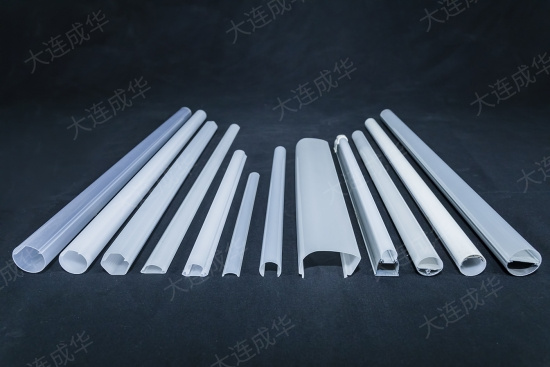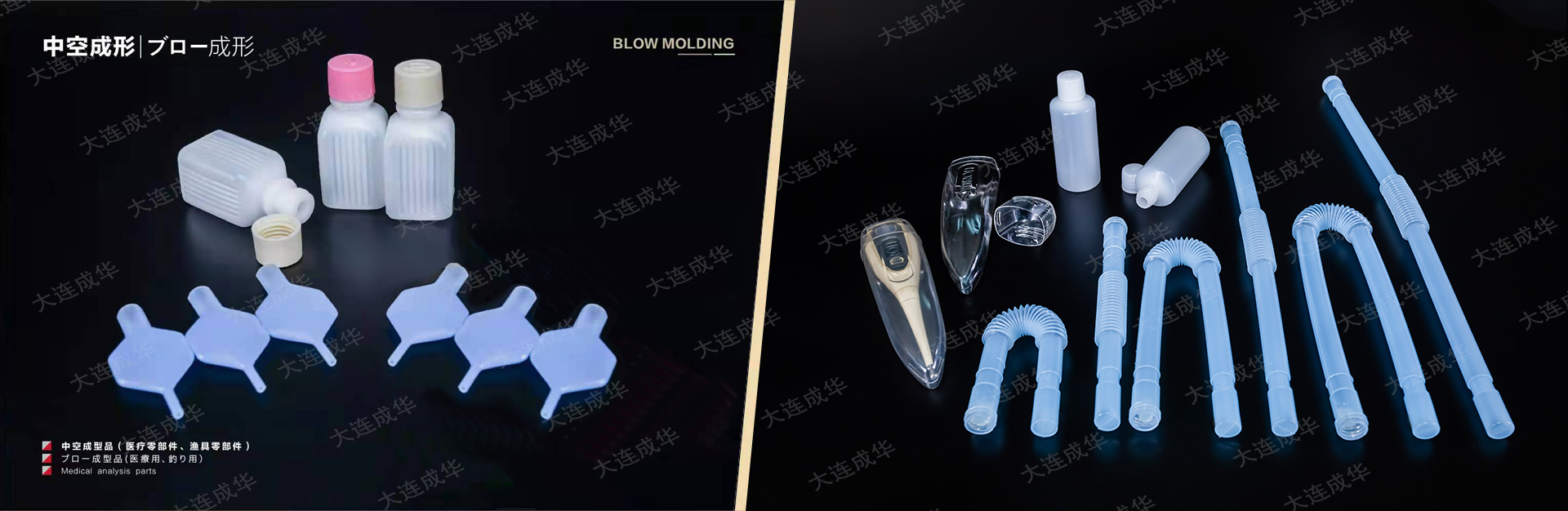
Extrusion molding technology, as an efficient and flexible processing method, plays an important role in multiple fields. By continuously optimizing equipment, processes, and materials, extrusion molding technology will further improve its production efficiency and product quality, meeting increasingly diverse market demands. In the future, with the development of intelligence, greenness, and multifunctionality, extrusion molding technology will continue to occupy an important position in industrial production, providing strong support for the development of various industries.
The temperature of the barrel and mold needs to be precisely controlled according to the characteristics of the raw materials. Excessive temperature may cause material decomposition, while low temperature can affect plasticizing effect. The pressure during the extrusion process is mainly determined by the rotational speed of the screw and the resistance of the mold. Excessive pressure can lead to an increase in equipment load, while insufficient pressure may affect the compactness of the product.
What is the temperature control range for different types of plastics during extrusion molding in Dalian?
Polyethylene (PE)
Low density polyethylene (LDPE): The barrel temperature is generally between 160-200 ℃, and the head temperature is between 170-190 ℃. LDPE has a low melting point and good fluidity, and high temperatures can easily cause problems such as bubbles and deformation in the product.
High density polyethylene (HDPE): The temperature of the barrel is usually controlled between 180-230 ℃, and the temperature of the machine head is between 200-220 ℃. HDPE has a high melting point and requires high processing temperatures to ensure its good plasticization and extrusion properties.
Polypropylene (PP): The temperature of the barrel is generally 180-250 ℃, and the temperature of the machine head is 220-240 ℃. PP has a high crystallinity and a narrow melting temperature range, which requires strict temperature control. If the temperature is too low, it will cause poor plasticization, and if it is too high, it may cause degradation.
Polyvinyl chloride (PVC)
Hard polyvinyl chloride (UPVC): The temperature of the barrel is generally between 160-190 ℃, and the temperature of the machine head is between 170-180 ℃. Due to the poor thermal stability of PVC and its tendency to decompose at high processing temperatures, it is necessary to strictly control the temperature and add appropriate heat stabilizers.
Soft Polyvinyl Chloride (SPVC): The temperature of the barrel is usually between 150-180 ℃, and the temperature of the machine head is between 160-170 ℃. Soft PVC has a relatively low processing temperature due to its high content of plasticizers.
Polystyrene (PS): The temperature of the barrel is generally between 170-250 ℃, and the temperature of the machine head is between 200-230 ℃. PS has good fluidity and is easy to process, but it is prone to yellowing and discoloration at high temperatures, so excessive processing temperatures should be avoided.
Polycarbonate (PC): The temperature of the barrel is usually controlled between 220-280 ℃, and the temperature of the machine head is between 250-270 ℃. PC has a high melting point and viscosity, requiring high temperatures to achieve good plasticization and extrusion, while also requiring high temperature uniformity.
Acrylonitrile butadiene styrene copolymer (ABS): The barrel temperature is generally between 180-240 ℃, and the head temperature is between 210-230 ℃. The processing temperature range of ABS is relatively wide, but different types of ABS have slight differences in temperature control due to their different compositions, which need to be adjusted according to specific situations.
Extrusion molding is an important molding process widely used in the processing of materials such as plastics, rubber, metals, and food. It forms continuous products with specific cross-sectional shapes by extruding heated and softened materials through molds. Extrusion molding technology has become an indispensable part of modern industrial production due to its high efficiency, flexibility, and low cost.
Screw: The screw is the core component of the extruder, responsible for pushing the material forward and plasticizing it. According to different materials, the design of screws also varies, such as single screw extruders, twin-screw extruders, and multi screw extruders. Barrel: The barrel is the outer shell of a screw, usually equipped with heating elements inside, used to heat materials to a molten or softened state.