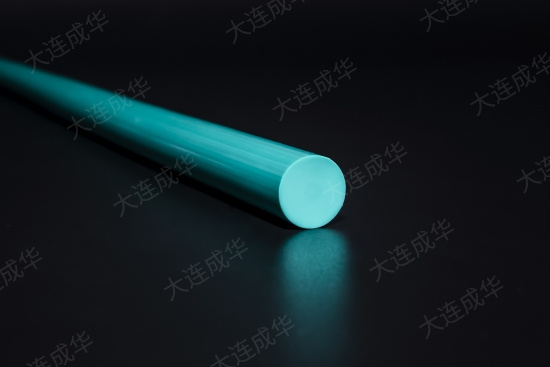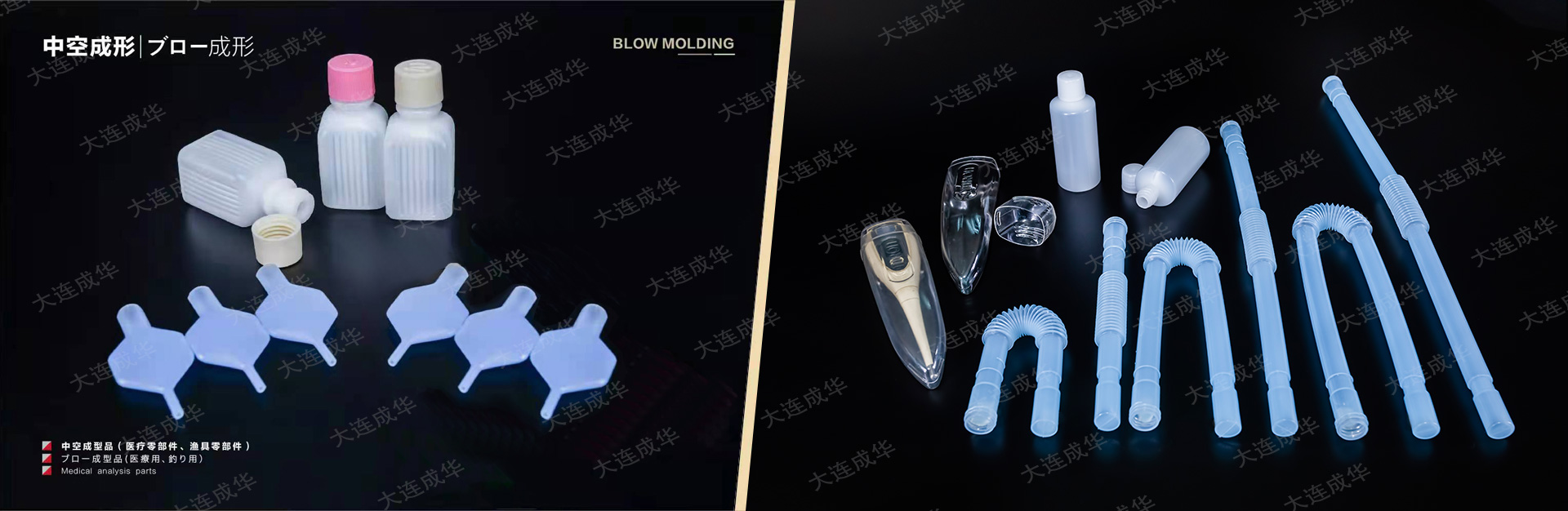
Targeting plastic profile and special-shaped profile manufacturers in Dalian, this document sorts out key control points covering raw material pretreatment, extruder main unit parameters, die management, cooling sizing, haul-off cutting and in-process inspection based on local workshop production conditions. It helps production staff stabilize profile dimensions and reduce non-conforming products caused by dimensional fluctuation.
The primary step is raw material pretreatment. Raw material moisture content and formula affect melting state. Excessive moisture tends to generate internal bubbles in profiles and cause dimensional deviation. Conduct raw material drying and blending in accordance with process requirements before production to ensure uniform mixing. Perform small-scale tests before launching new batches of raw materials, observe changes in melt flowability, and fine-tune processes according to material properties to prevent fluctuations in raw material performance from affecting profile forming. This is the basic procedure.
Die design and maintenance form the core section. The extrusion die orifice directly determines the basic outline of profiles. Inspect the die orifice for wear, material buildup and corrosion before production, and promptly clear burnt deposits on the die. Ensure tight fitting during die assembly to avoid uneven profile wall thickness caused by material leakage and biased flow. Carry out trial die adjustment before putting new dies into service, and fine-tune die orifice gaps based on measured profile dimensions. Regularly overhaul long-running dies and repair worn areas in a timely manner to prevent skewed material discharge.
Extruder main unit and temperature control parameters are included in the evaluation scope. Set temperatures for each barrel section according to material characteristics. Excessively high temperature reduces melt viscosity and leads to profile shrinkage and deformation; low temperature results in insufficient melt plasticization, higher extrusion resistance and unstable discharge. Control screw speed to maintain stable extrusion output. Fluctuating speed directly changes discharge rate and causes alternating profile cross-sectional dimensions. Keep the main motor current and pressure stable during production to avoid sudden working condition changes.
Cooling sizing and haul-off control are also important components. Profiles enter the sizing sleeve after exiting the die, and cooling rate determines shrinkage. Keep cooling water circuits unobstructed and control coolant temperature to prevent profile bending and inconsistent cross-section shrinkage due to uneven cooling. Match haul-off speed with extrusion speed and maintain steady haul-off tension. Excessive tension stretches profiles and thins wall thickness; insufficient tension causes profile accumulation and bulging, altering outer dimensions.
In-line inspection and cutting control are incorporated into the control plan. Deploy in-line inspection during production to periodically collect data such as profile wall thickness and cross-section shape for comparison with process standards. Make minor adjustments to haul-off speed and temperature parameters once dimensional drift is detected; drastic one-time changes are prohibited. Ensure positioning at the cutting station and stabilize the cutting platform to reduce end-face deformation. Increase sampling frequency after die replacement or restart from shutdown, and confirm qualified dimensions before mass production.
Controlling profile dimensional accuracy in Dalian extrusion molding requires coordinated management of multiple processes including raw materials, dies, temperature control, cooling and haul-off. Production workshops shall establish a regular sampling inspection mechanism, track dimensional variation trends and adjust process parameters timely to reduce profile dimensional deviation and ensure extruded profiles meet drawing requirements.