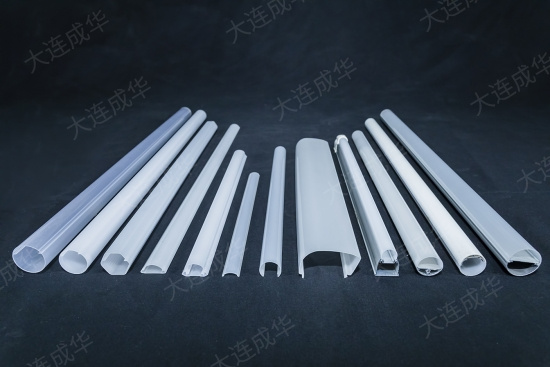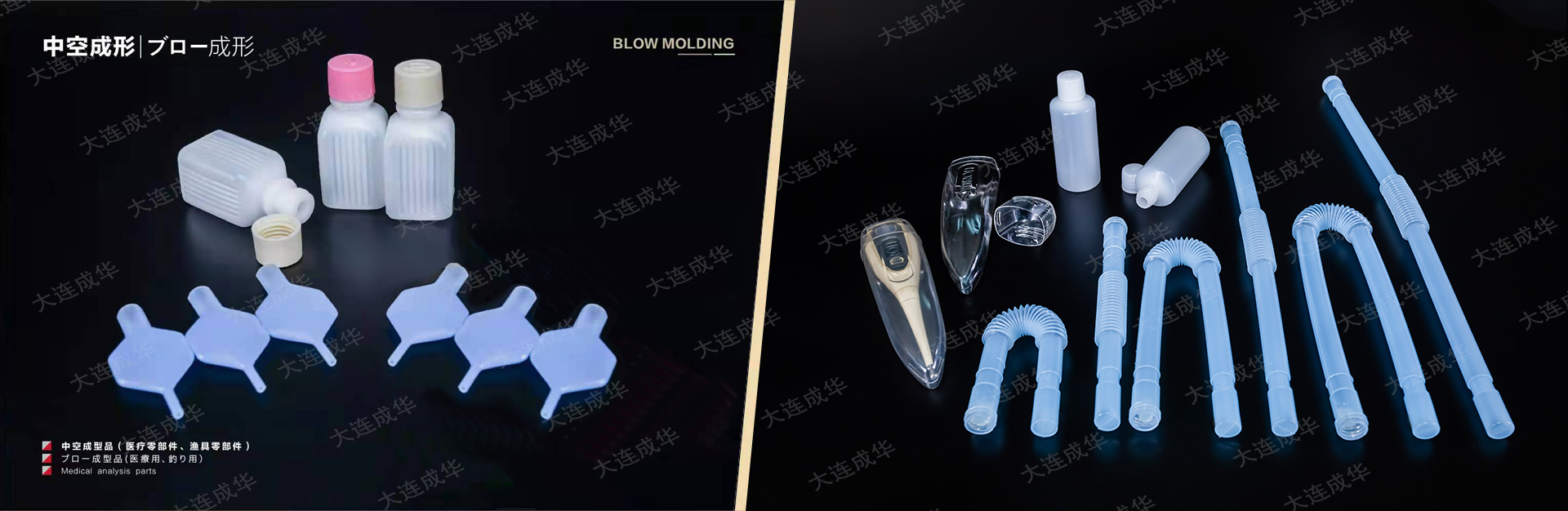
Dalian extrusion molding is a processing technology widely used in industries such as plastics, rubber, and food. Its core lies in heating the material to a molten state and extruding it through a mold. Temperature control is one of the key factors in the extrusion molding process, which directly affects the quality, production efficiency, and equipment life of the product. Inappropriate temperature control may lead to material degradation, unstable product dimensions, surface defects, and other issues. Therefore, reasonable temperature control is an important prerequisite for ensuring the success of extrusion molding process.
Basic principles of extrusion molding temperature control
During the extrusion molding process, temperature control involves multiple stages, including the feeding section, compression section, homogenization section, and mold section. The temperature requirements for each stage are different, as follows:
Feed section: The main task of this stage is to transport solid materials to the extruder. The temperature should be kept at a low level to prevent premature melting of the material, which can lead to poor feeding or blockage.
Compression stage: The material is gradually compressed and heated during this stage, and begins to melt. The temperature needs to be gradually increased to ensure uniform melting of the material.
Homogenization stage: The molten material is further homogenized at this stage, and the temperature should be stable within the melting temperature range of the material to ensure good flowability.
Mold section: Molten materials are formed through molds, and temperature control needs to be adjusted according to product requirements to ensure molding quality and dimensional accuracy.
Key technologies for temperature control
Segmented heating and cooling
Extruders typically use segmented heating, with each heating section equipped with an independent temperature control system. By precisely controlling the temperature of each heating section, it is possible to ensure that the material is uniformly heated during the extrusion process. Meanwhile, cooling systems (such as water or air cooling) are used to lower the temperature when necessary to prevent material overheating.
Selection and arrangement of temperature sensors
Temperature sensors, such as thermocouples or thermistors, are the core components of temperature control. The placement and quantity of sensors directly affect the accuracy of temperature measurement. Usually, sensors should be placed in areas close to material flow to monitor material temperature in real-time.
pid control technology
PID (Proportional Integral Derivative) control is a widely used technology for temperature control. By monitoring temperature deviation in real-time, the PID controller can quickly adjust the heating power to ensure that the temperature remains stable within the set range.
Optimization of temperature curve
Reasonable temperature curves need to be developed for different materials and products. The temperature curve includes the set temperature values, heating rate, and holding time for each stage. Through experiments and simulations, the temperature curve can be optimized to improve production efficiency and product quality.
Common Problems and Solutions in Temperature Control
Temperature fluctuations
Temperature fluctuations may lead to unstable product dimensions or surface defects. The solution includes checking the status of heating elements and sensors, optimizing PID parameters, and ensuring the proper operation of the cooling system.
local overheating
Localized overheating may lead to material degradation or equipment damage. It is necessary to check whether the distribution of heating elements is uniform and adjust the heating power.
Slow temperature response
Slow temperature response can affect production efficiency. It can be improved by increasing the power of the heating element or optimizing the PID parameters.
Temperature control during extrusion molding is a complex and critical task that involves the comprehensive application of multiple stages and technologies. By implementing reasonable segmented heating, precise sensor layout, advanced PID control technology, and optimizing temperature curves, product quality and production efficiency can be effectively improved. At the same time, timely detection and resolution of temperature control issues are also important guarantees for ensuring the success of extrusion molding processes. In the future, with the development of intelligent and automated technology, temperature control will become more precise and efficient, bringing greater development space to the extrusion molding industry.