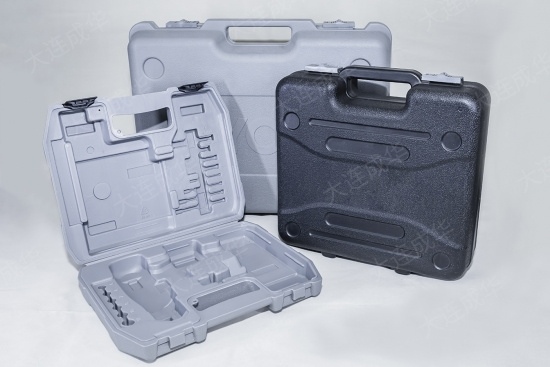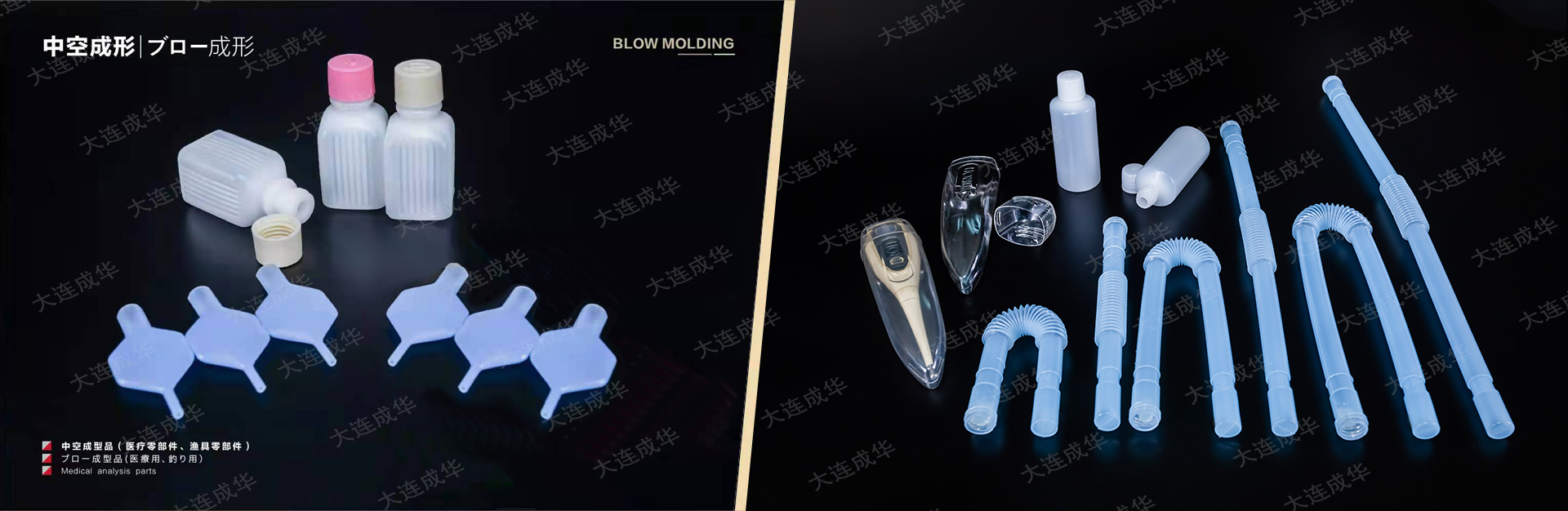
The design of hollow forming molds in Dalian is an important part of the plastic processing field, mainly used for manufacturing hollow plastic products such as bottles, cans, boxes, etc. The design quality directly affects the molding efficiency, dimensional accuracy, surface quality, and production cost of the product. The following are the core points of hollow forming mold design:
1. Selection of mold materials
The selection of mold materials directly affects the lifespan, processing accuracy, and cost of the mold. The commonly used materials for hollow forming molds include:
Steel materials such as P20 and H13 are suitable for high-precision and high-strength molds, especially for mass production.
Aluminum alloy: lightweight, good thermal conductivity, suitable for small and medium-sized production or prototype making.
Copper alloy: Excellent thermal conductivity, suitable for molds that require rapid cooling.
When selecting materials, the following factors should be considered:
Wear resistance: The mold will frequently come into contact with the plastic melt during the molding process, and the material needs to have good wear resistance.
Thermal conductivity: Good thermal conductivity helps with rapid cooling and shortens the molding cycle.
Processing performance: The material should be easy to process to reduce manufacturing costs.
2. Mold structure design
The structural design of hollow molding molds directly affects the molding quality and production efficiency of products. The core structure includes:
Mold cavity design: The mold cavity is the core part of the mold, directly determining the shape and size of the product. When designing, the shrinkage rate of plastic should be considered to ensure that the product size meets the requirements.
Design of parting surface: The position and shape of the parting surface affect the demolding and surface quality of the product. The parting surface should be as simple as possible, avoiding complex curves to reduce processing difficulty and cost.
Cooling system design: The cooling system is the key to mold design and directly affects the molding cycle and product quality. The cooling water channels should be evenly distributed to ensure consistent temperature in all parts of the mold and avoid product deformation or defects.
Exhaust system design: Plastic melt will generate gas when filling the mold cavity, and a reasonable exhaust groove or exhaust hole should be designed to avoid bubbles or material shortage in the product.
3. Matching of molding process parameters
Mold design needs to match the molding process parameters, including:
Injection pressure: The mold needs to have sufficient strength to withstand injection pressure and avoid deformation or damage.
Locking force: Mold design needs to consider the distribution of locking force to ensure that the mold will not deform due to uneven force during the molding process.
Temperature control: The cooling and heating systems of the mold need to match the temperature requirements of the molding process to ensure the quality of product molding.
4. Design of demolding mechanism
The design of the demolding mechanism directly affects the demolding efficiency and surface quality of the product. Common demolding mechanisms include:
Top pin demolding: Using a top pin to push the product out of the mold cavity, suitable for products with simple shapes.
Sliding block demolding: Used for products with inverted or complex structures, demolding is achieved through a sliding block mechanism.
Pneumatic demolding: blowing out the product through compressed air, suitable for thin-walled or easily deformed products.
When designing the demolding mechanism, the following factors should be considered:
Demoulding force: The demoulding force should be moderate. If it is too high, it will cause deformation of the product, while if it is too low, it will not be able to demold smoothly.
Demolding angle: The product side should be designed with an appropriate demolding slope to facilitate demolding.
5. Manufacturing and assembly accuracy of molds
The manufacturing and assembly accuracy of molds directly affects the dimensional accuracy and surface quality of products. When designing, it is necessary to consider:
Processing technology: The processing technology of mold parts needs to be reasonable to ensure dimensional accuracy and surface smoothness.
Assembly clearance: The assembly clearance of each part of the mold needs to be strictly controlled to avoid product burrs or dimensional deviations caused by excessive clearance.
Surface treatment: The surface of the mold needs to be treated appropriately, such as polishing, chrome plating, etc., to improve surface hardness and wear resistance.
6. Maintenance and upkeep of molds
When designing molds, the convenience of maintenance and upkeep should be considered to extend the lifespan of the molds. include:
Replacement of vulnerable parts: The design should consider the convenience of replacing vulnerable parts, such as ejector pins, sliders, etc.
Cleaning and lubrication: The cooling water channel, exhaust groove, etc. of the mold need to be easy to clean, and the sliding parts need to be designed with a lubrication system to reduce wear.
7. Cost control
Mold design should minimize costs while ensuring quality. include:
Material cost: Choose materials with lower costs while meeting performance requirements.
Processing cost: Optimize mold structure, reduce complex processing procedures, and lower processing difficulty.
Maintenance cost: Consider the maintenance cost of the mold during design, such as reducing the use of vulnerable parts or increasing their lifespan.
8. Environmental Protection and Sustainable Development
Modern mold design needs to consider environmental protection and sustainable development, including:
Recyclability of materials: Choose recyclable or environmentally friendly materials to reduce the impact on the environment.
Energy consumption optimization: Optimize the cooling and heating systems to reduce energy consumption.
Reduce waste: By optimizing design, reduce the generation of waste in the production process.
The design of hollow forming molds is a complex system engineering that involves multiple aspects such as material selection, structural design, process matching, demolding mechanism, manufacturing accuracy, maintenance, cost control, and environmental protection. When designing, it is necessary to comprehensively consider various factors to ensure the efficiency, reliability, and economy of the mold, in order to achieve high-quality and low-cost product production.