1、 Overview of Dalian Extrusion Molding Technology
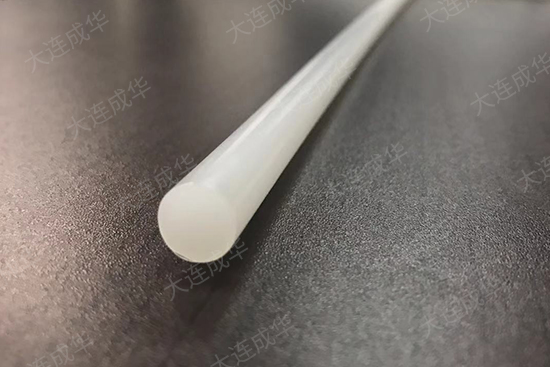
Extrusion molding is a processing method that involves heating and melting thermoplastic materials, continuously extruding them through a specific shaped mold under pressure, and then cooling and shaping them to obtain the desired cross-sectional shape of the product. This molding process has been developed since the 1930s and has become one of the important technologies in the field of plastic processing. In the packaging industry, extrusion molding technology occupies an irreplaceable position due to its unique advantages and is widely used in the production of various plastic packaging products.
2、 The technological advantages of extrusion molding widely used in the packaging industry
(1) High production efficiency, suitable for large-scale production
Extrusion molding is a continuous production method that can achieve 24-hour uninterrupted production with high production efficiency. Taking plastic film production as an example, modern extrusion production lines can reach speeds of 200-300 meters per minute, far higher than other molding methods. This high efficiency is particularly suitable for the packaging industry's demand for large quantities and standardized products. The annual output of an extrusion production line can reach thousands of tons, which can meet the huge demand for packaging materials in modern retail industry.
(2) Good product diversity, adaptable to different packaging needs
By changing molds and adjusting process parameters, extrusion molding can produce products with various cross-sectional shapes. In the field of packaging, various products such as films, sheets, pipes, preforms, and special-shaped materials can be produced. The thickness of thin film products can range from a few micrometers to a few millimeters; The width of sheet products can reach several meters; The diameter of the pipe can vary from a few millimeters to several meters. This diversity enables extrusion molding to meet the packaging requirements of different products such as food, pharmaceuticals, and daily necessities.
(3) Strong material adaptability, capable of processing various plastics
Extrusion molding has good adaptability to materials and can process the vast majority of thermoplastic materials, such as PE, PP, PVC, PS, PET, etc. These materials have their own advantages in the packaging field: PE is soft and tear resistant, PP has high transparency and high temperature resistance, PVC is low-cost, and PET has good barrier properties. Through co extrusion technology, 2-7 layers of materials with different characteristics can be compounded together to produce multi-layer composite packaging materials with comprehensive performance, meeting special packaging needs such as preservation, oxygen resistance, and moisture resistance.
(4) Stable product quality and high dimensional accuracy
Modern extrusion equipment is equipped with precision temperature control systems, pressure control systems, and online detection devices to ensure the stability of product quality. The thickness deviation can be controlled within ± 3%, and the transparency, surface glossiness, and other indicators are uniformly consistent. This stable quality is crucial for the packaging industry, especially for automated packaging lines, where dimensional accuracy directly affects the operational efficiency of packaging machines.
(5) Clear cost advantage and significant economic benefits
Extrusion molding equipment has relatively low investment, low energy consumption, high raw material utilization rate (up to 99% or more), and recyclable waste materials. Taking plastic film as an example, the production cost of extrusion molding is 15-20% lower than blow molding. This cost advantage makes extruded products highly competitive in the price sensitive packaging market. Meanwhile, continuous production also reduces labor and management costs.
3、 The main application areas of extrusion molding in the packaging industry
(1) Soft packaging field
Plastic film is the main application of extrusion molding in the packaging industry, accounting for over 60% of extruded packaging products. including:
Single layer film: shopping bags, garbage bags, cling film, etc
Composite film: food vacuum packaging, vertical bags, steaming bags, etc
Stretch film: winding film, shrink film and other products are widely used in fields such as food, daily chemical, pharmaceutical, electronic products, etc.
(2) Hard packaging field
Plastic sheet: can be made into various packaging containers such as trays, boxes, cups, etc. through thermoforming
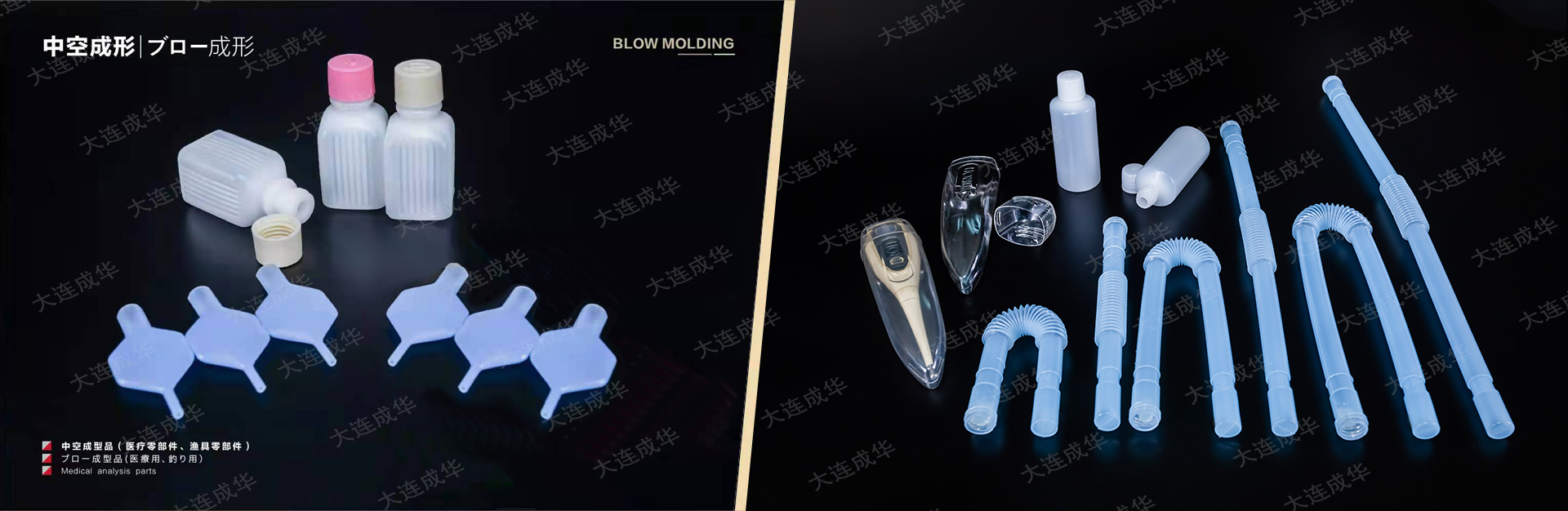
Plastic bottle preforms: made into PET beverage bottles, daily chemical bottles, etc. by blow molding
Plastic pipes: used for tubular packaging of toothpaste, cosmetics, etc
Plastic mesh: a mesh bag used for packaging fruits and vegetables
(3) Foam packaging materials
Through extrusion foaming process, foam sheets and nets such as PE, PP, PS can be produced for cushioning packaging of electronic products, precision instruments, and food preservation packaging.
4、 The New Development of Extrusion Molding Technology and Its Impact on the Packaging Industry
(1) Multi layer co extrusion technology
Modern co extrusion technology can simultaneously extrude 5-7 layers of different materials, such as PE/EVOH/PE structure oxygen resistant packaging, PP/adhesive layer/PA/adhesive layer/PP structure high-temperature resistant packaging, etc. This technology endows packaging materials with superior comprehensive performance and extends the shelf life of food.
(2) Micro layer co extrusion technology
It can produce films with hundreds of layers of nanoscale thickness to improve the barrier properties and mechanical properties of materials, which are used for high-end food and pharmaceutical packaging.
(3) Online Composite Technology
Integrating extrusion with other processing techniques such as printing, aluminum plating, coating, etc. online reduces production processes, lowers costs, and improves efficiency.
(4) Green extrusion technology
Developing biodegradable material extrusion processes, such as processing technologies for biobased materials such as PLA and PBS; Optimizing processes to reduce energy consumption; Improve the utilization rate of recycled materials and meet the demand for environmentally friendly packaging.
Extrusion molding technology has been widely used in the packaging industry due to its high efficiency, flexibility, economy, and reliability. With the continuous development of new materials and processes, extrusion molding technology will continue to drive the packaging industry towards high-performance, multifunctional, and environmentally friendly directions. In the future, the introduction of intelligent and digital technologies will further enhance the accuracy and efficiency of extrusion molding, creating more possibilities for the packaging industry. In the foreseeable future, extrusion molding will continue to be the dominant process technology for packaging material production.